| City: | New York, NY, USA |
| Venue: | Beacon Theatre |
| Date: | February 5, 1976 |

|
|
|
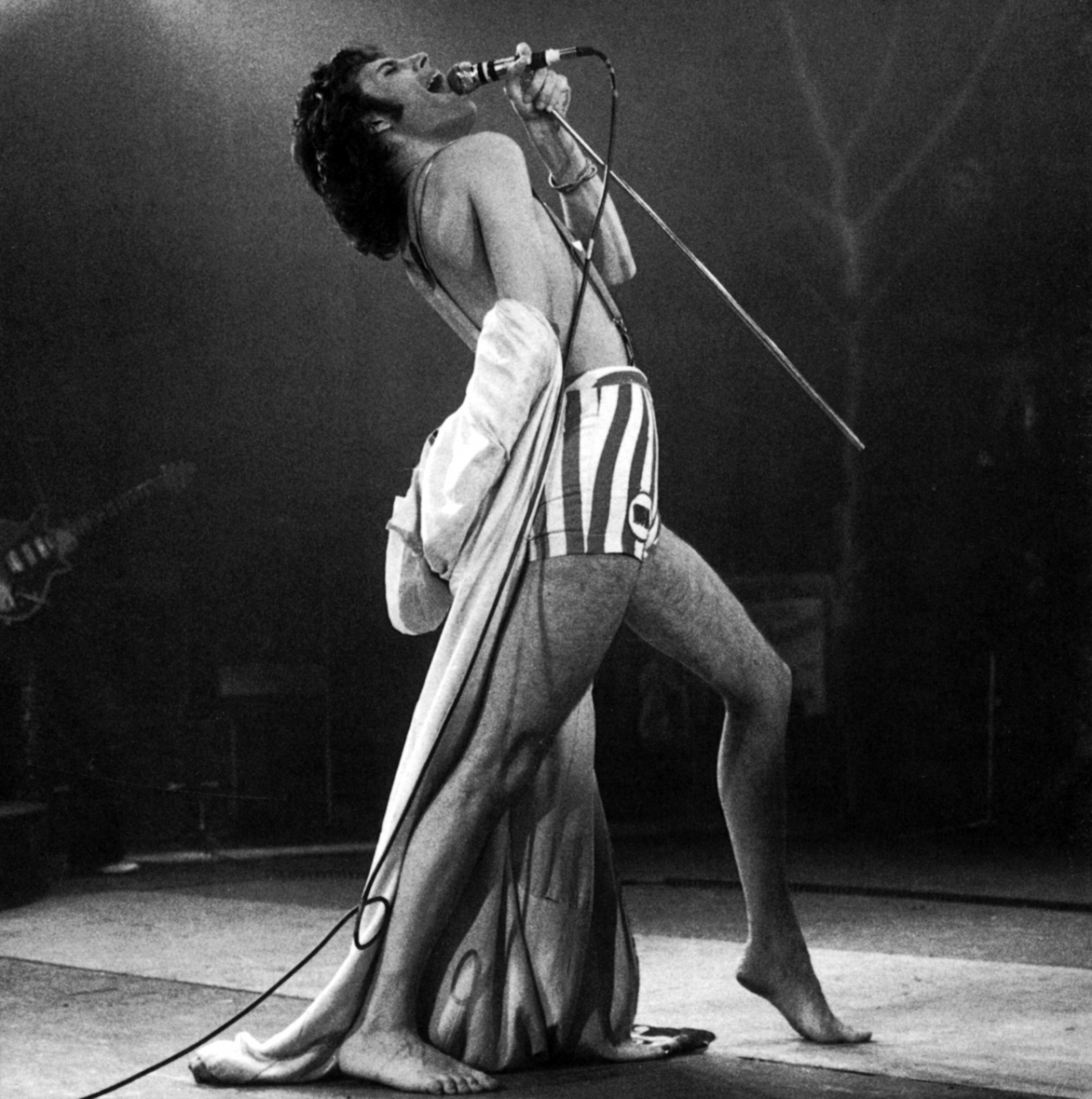
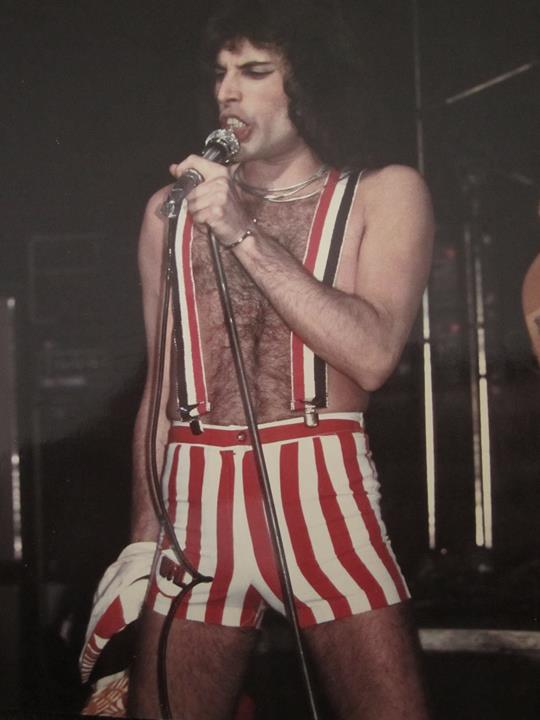
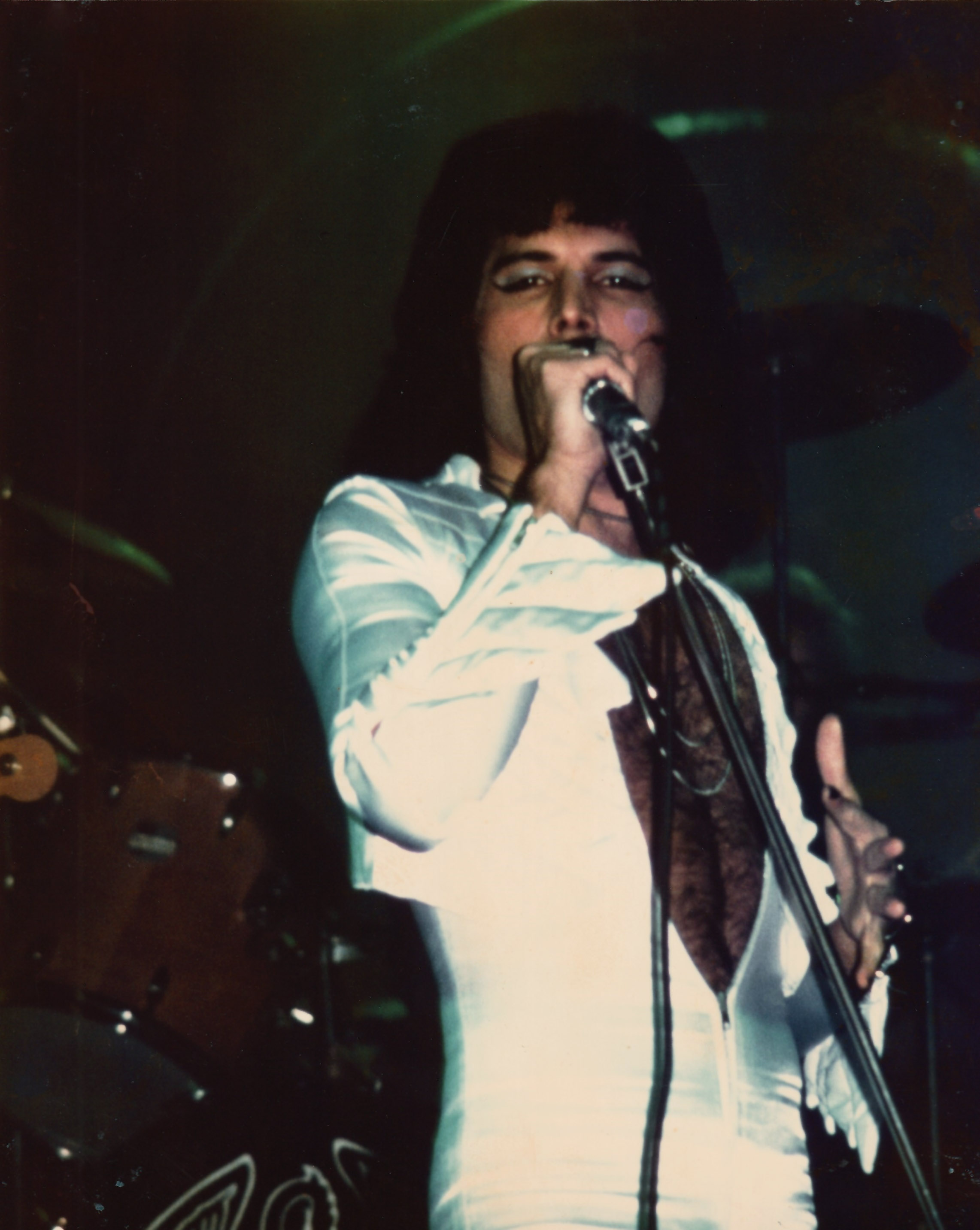
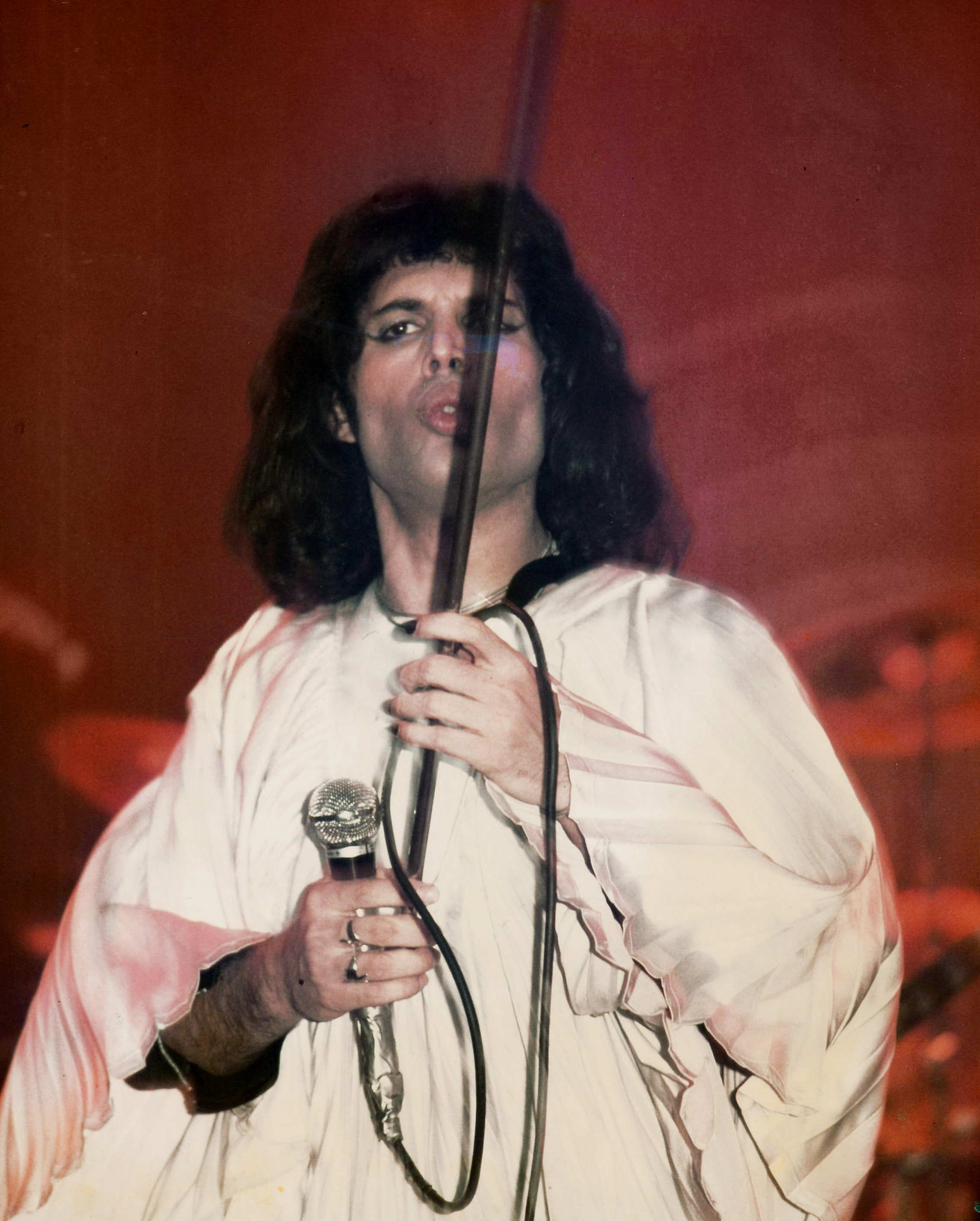
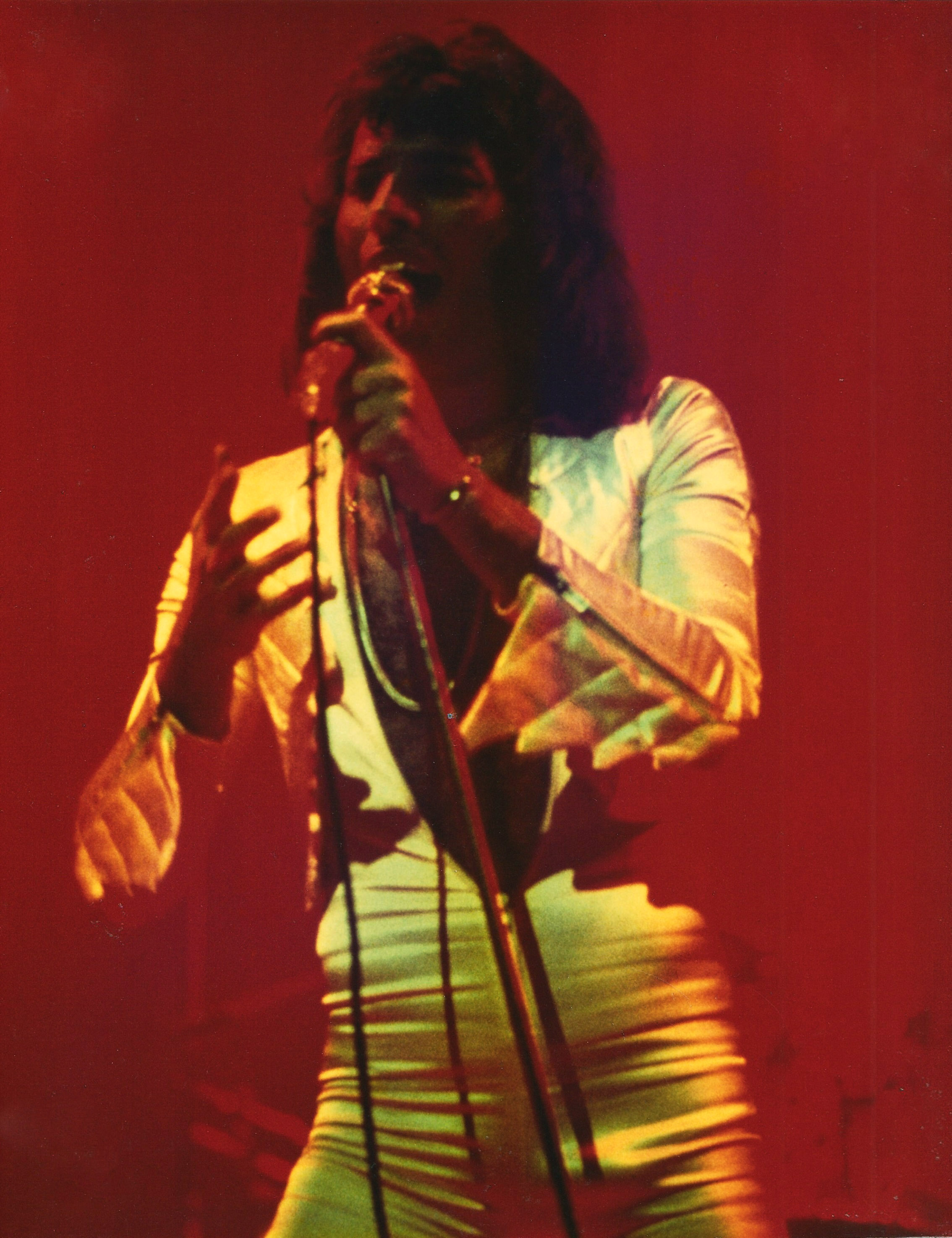
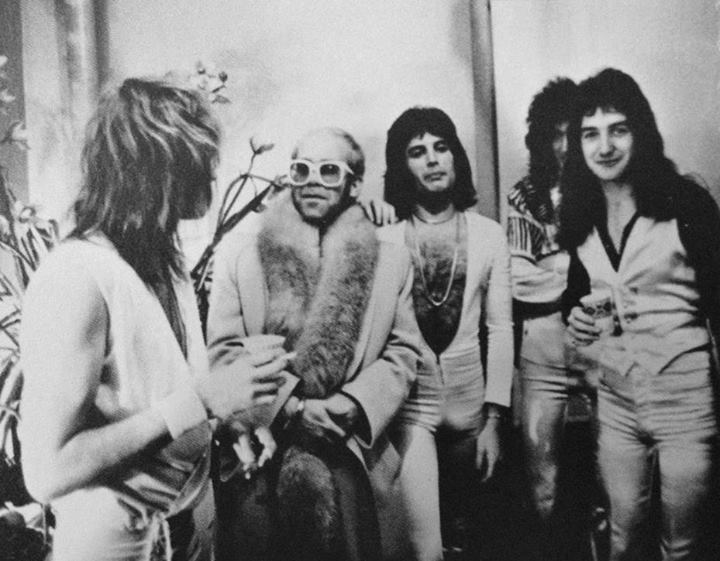
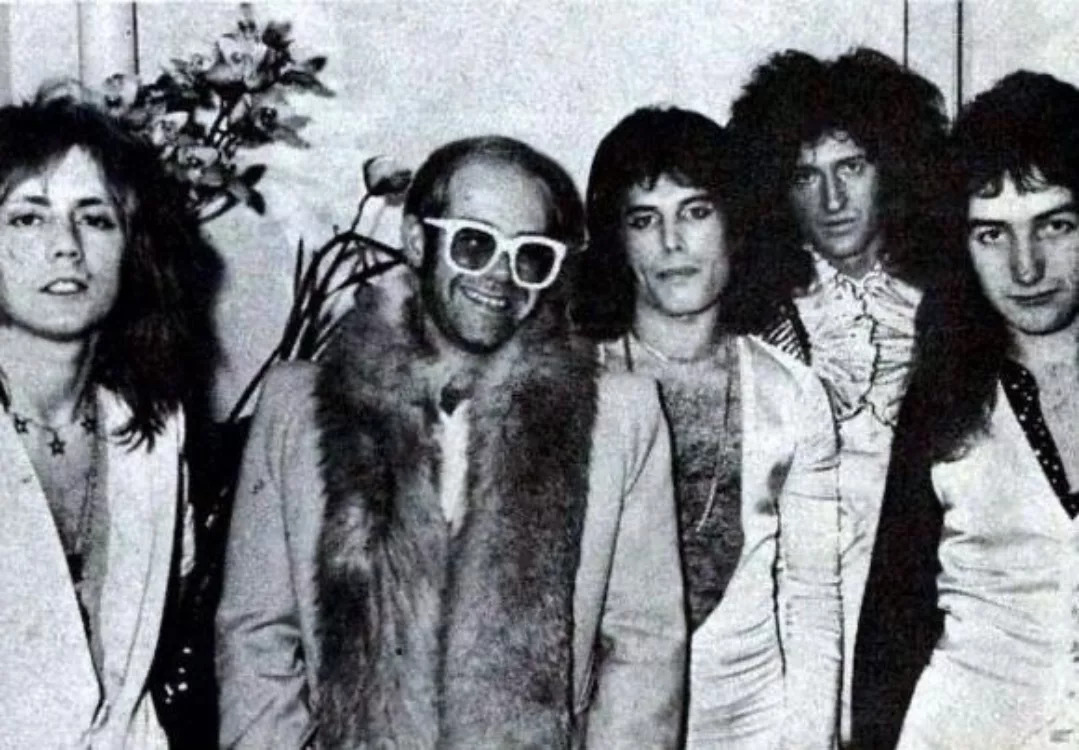
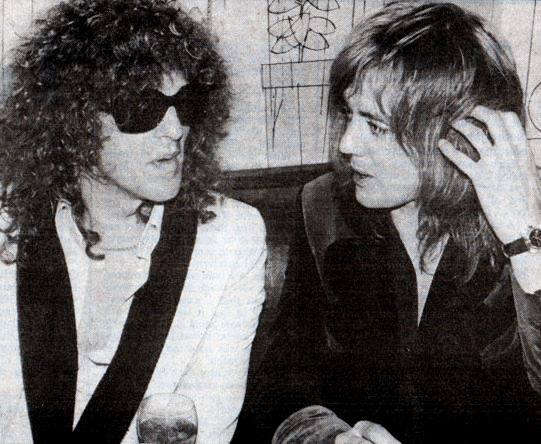
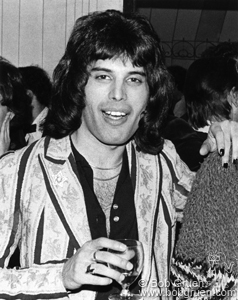
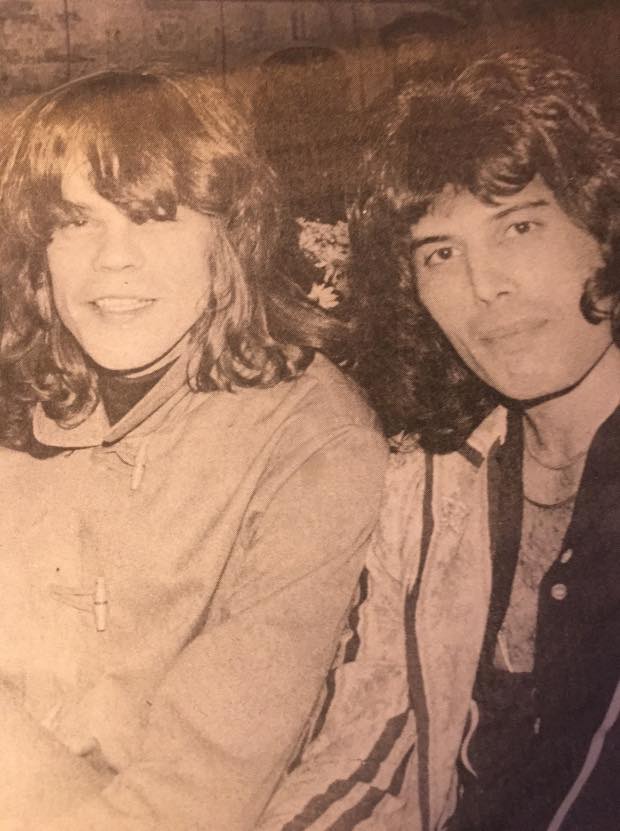
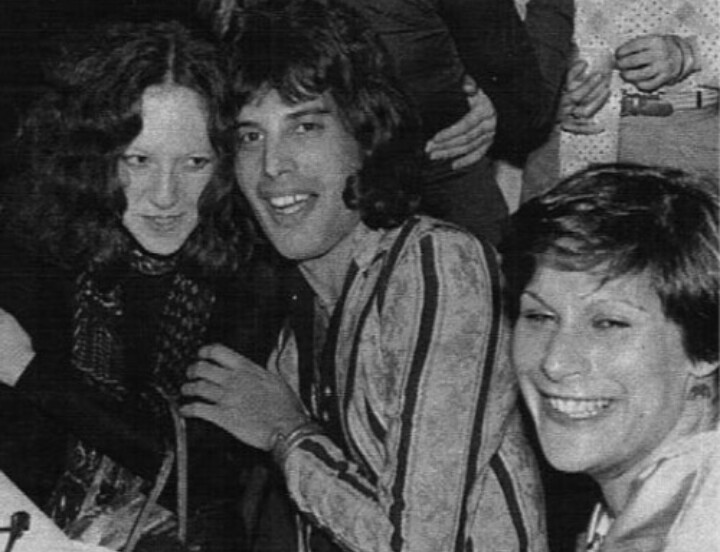
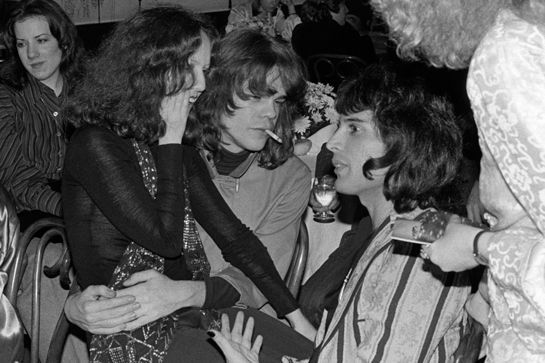
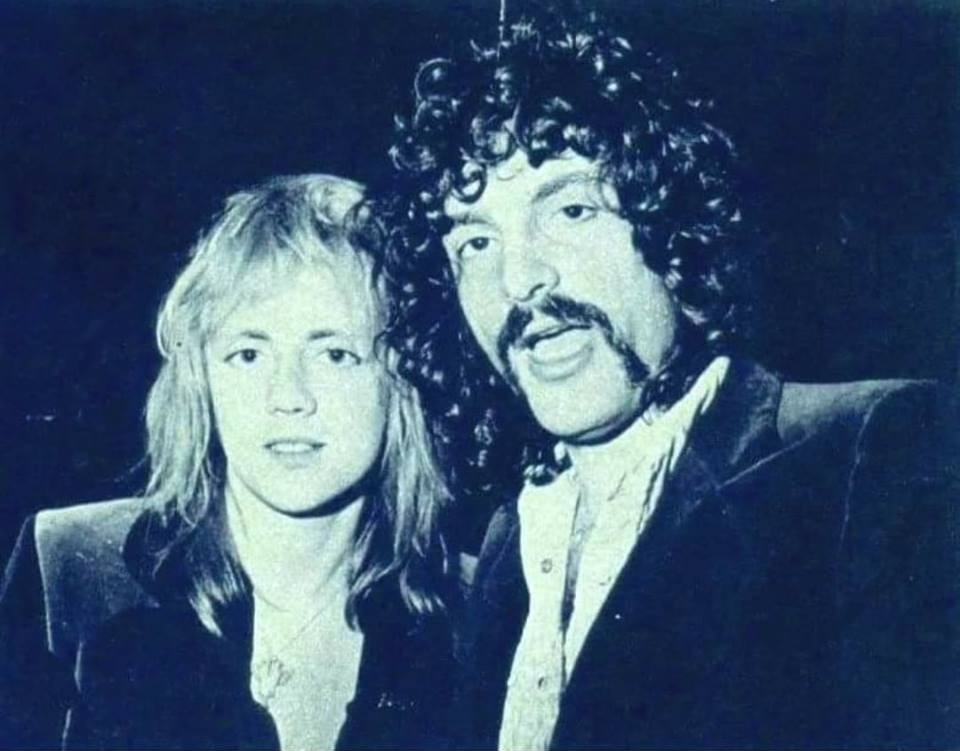
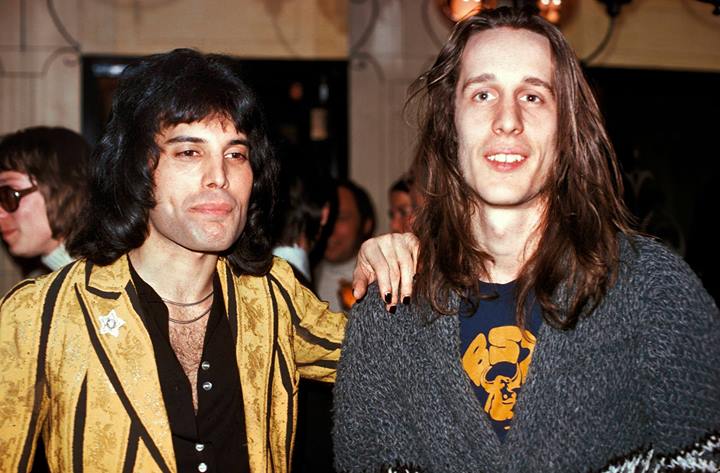
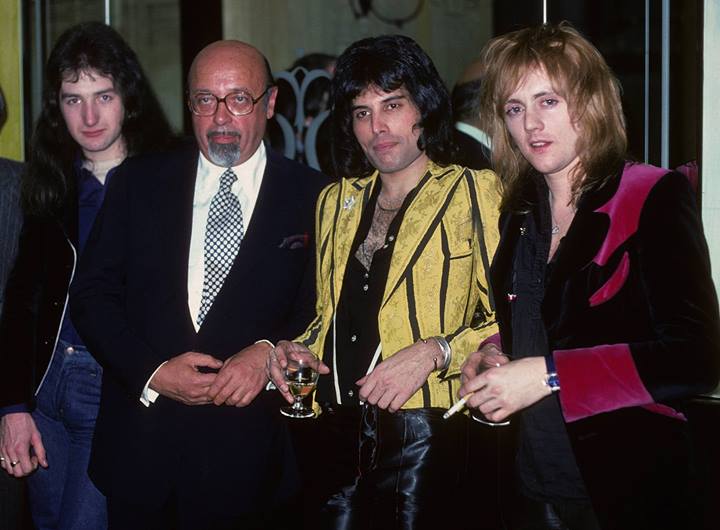
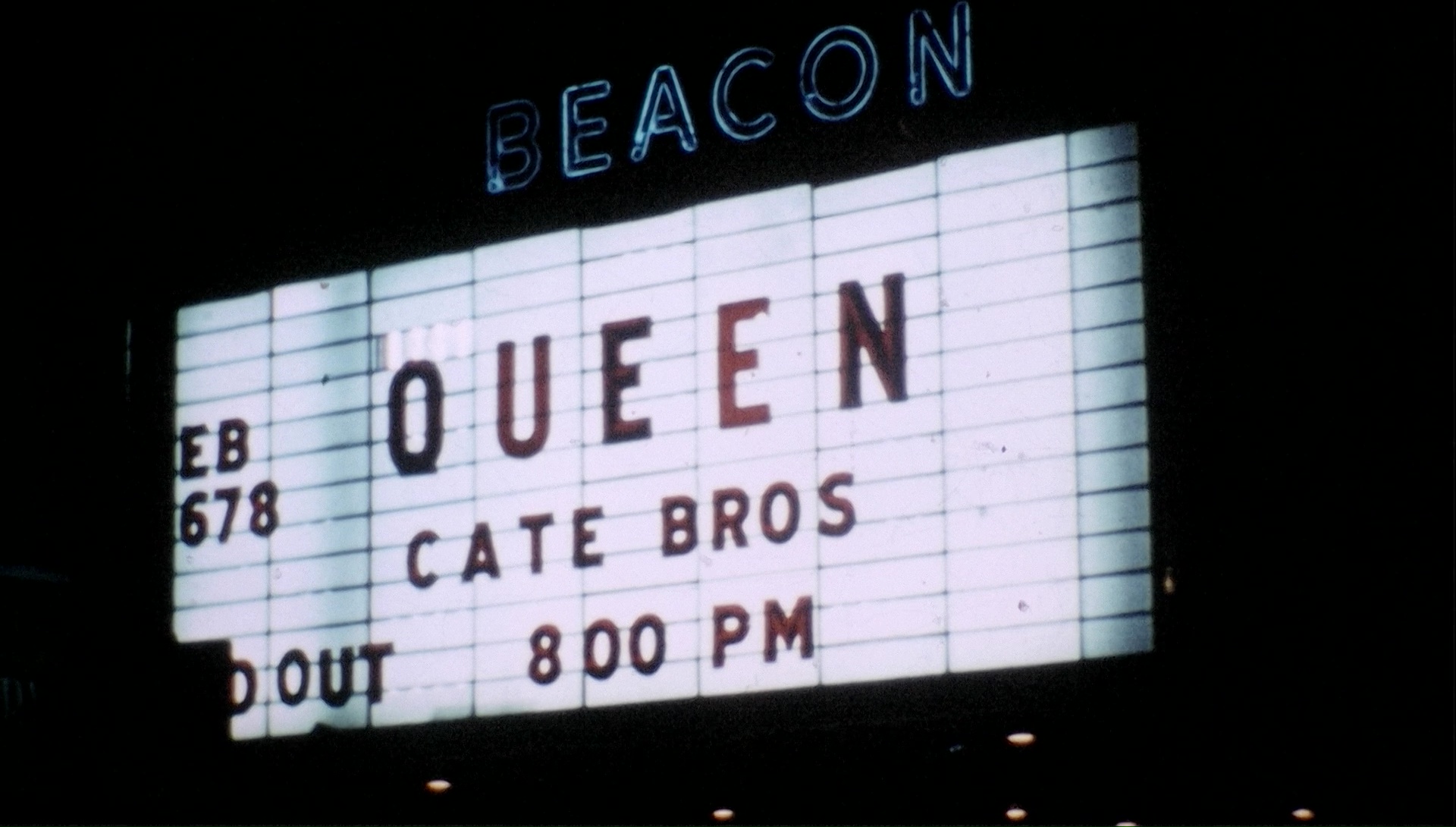
These pictures from the encore could be from any of the four consecutive nights (February 5-8) at the Beacon Theatre. As indicated by this Village Voice ad, only three nights were originally planned, but ticket demand made a fourth night necessary. In fact, this review of the first night was written without the knowledge that a fourth night had been tagged on. This is an excellent review of their show, by a writer who attended all four nights. It is one of the best pieces of music journalism ever written on this band. The second set of show pics were submitted by Juan Guarino (and cleaned up by Rudolf Griva). Here's another photo set that could also be from any of the four nights. A fan recalls the show: "Queen said somewhere that this was the worst night of this tour. With 27 people from Carteret [an industrial/suburban borough of New Jersey] at the show it is no wonder why. Matty, his brothers, I and others bought 21 tickets at the theatre when they went on sale. I purchased three front row and three third row seats. Left the front row seats for Matt, Ray and Nick. Matt and Ray were to soon enter the Marines. Mike hits Mercury with a flash cube, booed Freddie when he snotted the audience to shut up. Cookies were tossed as well." Elektra Records threw a party for the band after the show at the Sherry-Netherland Hotel where the band were staying (although it has been claimed that it took place at a French restaurant called Le Poulailler in midtown Manhattan). Attendees included Carmine Appice, Tim Curry, Ahmet Ertegun, Ian Hunter, David Johansen, Billie Jean King, Lisa Robinson, Todd Rundgren, Linda Stein and Rod Stewart (thanks to Arthur De Santis for helping append the list). Many of the party photos are by Bob Gruen. In an interview done at the party with Lisa Robinson for Hit Parader, Freddie has this to say about their most recent recording experience and stage show: "Every molecule on that album is just us, just the four of us, every iota. No session men, not for strings, not for anything. And we don't try to reproduce that on stage; we present the music in a different way for the stage. Sometimes we think about performing with more musicians, or sets. But at the moment there's just so much going on within the four of us that it would be a shame to latch onto something else. Because we haven't burnt up our energies doing what we want to do now." Brian adds: "Maybe at some stage. But at the moment the stage act's evolved in its own right; it's separate from the album. The songs are the same, but the treatment is so different, and that's what we do on stage." In another interview done whilst in New York, for the eventual May 13 issue of Circus, Freddie says, "I'm still playing around with that bit of a cappella singing in The Prophet's Song. Each night I do it a little differently but I'm not happy with it yet." And there's this interview with Brian in New York from the April 1976 "The Music Gig" magazine, where he compares Queen to Smile and speaks about the band's philosophy in concert: "[Smile] was a bit like what we do now, only freer. We liked the heavy sound with harmonies, but lacked the equipment to do it properly. We used lots of improvisation, going on stage with no idea of what we were gonna play. It could be awful and then at times it had a bit of spark. It was ideal training for Queen. Now we work within a rigid framework, but we do have the freedom to move within that framework. I'd hate to lose that. [...] I spend a lot of time working on my solos, but I like to maintain a degree of spontaneity. I think it's wrong to plan everything. There have to be moments where you can get out and do something that is like capturing a point in time." And on the idea of the growth of their show: "We probably could've done huge arenas but playing four nights in small theatres gets the show across more effectively. There are things you can do in a theatre that you could never do in Madison Square Garden. When we start playing those places we'll have to change our show. Communication is much more difficult and needs to be approached carefully. [...] Our stage show will develop only as long as it remains secondary to the music. It's never going to be a big choreographed thing that takes priority over the music. It's always got to be flexible enough to be a two-way thing. It's got to be exciting, a spectacle in which everyone is involved." Indeed those adjustments would be made over time, and Freddie particularly would come to master that communication in a way that the band could not have possibly foreseen at this point. Elton John said hi to the band backstage after one of these nights at the Beacon, and it's likely the first time they met. Elton later recalled: "From the minute I met Freddie, I loved him. He was just magnificent. Incredibly smart and adventurous. Kind and generous and thoughtful, but outrageously funny." |
| Recording length: | 3 minutes, incomplete |
| Video/Audio quality: | C+ / B |
| Source: | Pro video |
| Lineage: | Pro > TV > ? > VHS (?) > DVD-R |
| |
| Track listing: | Now I'm Here [cut] |
|
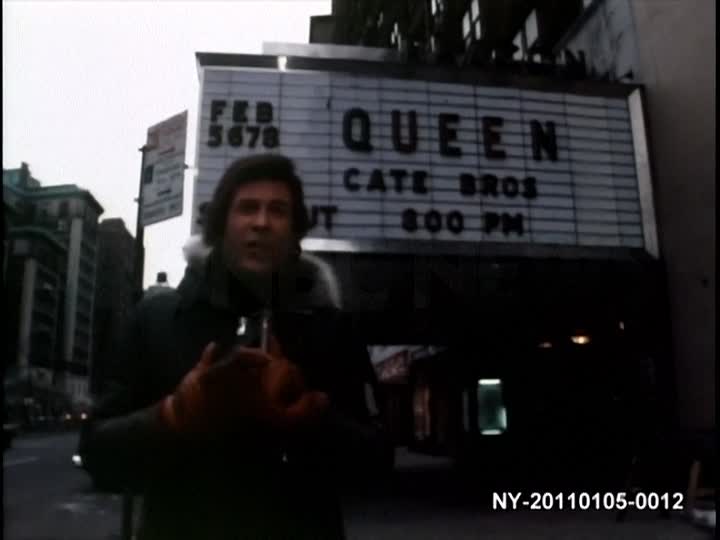
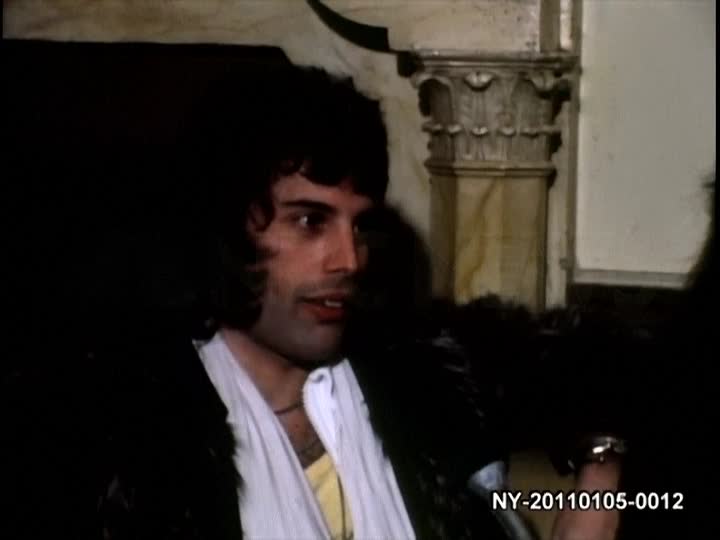
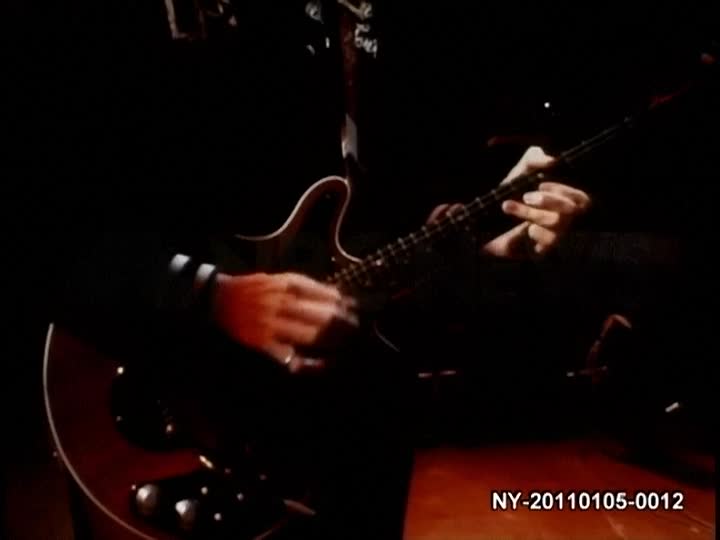
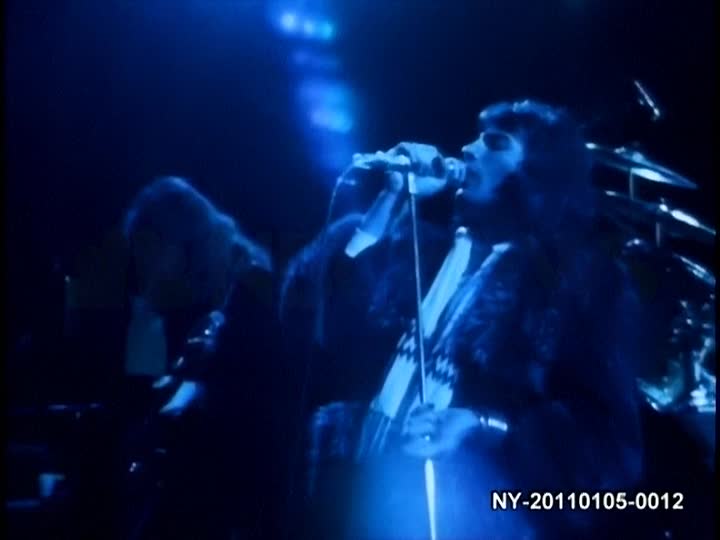
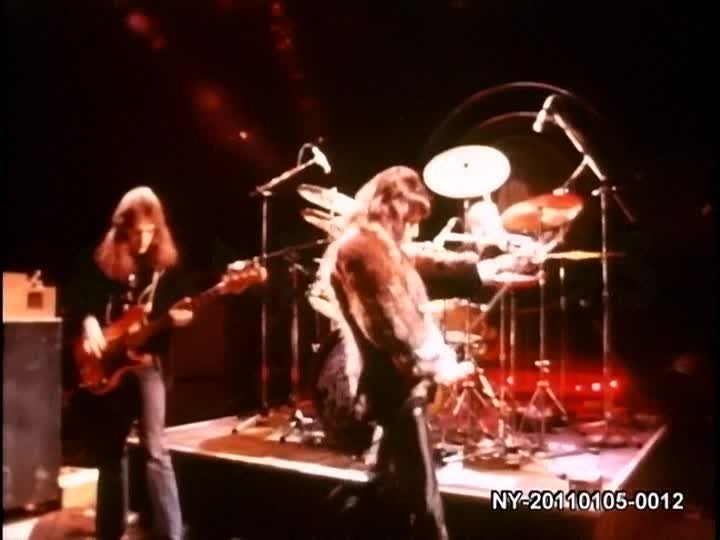
A few minutes of video footage exist from the soundcheck of one of the four nights at the Beacon Theatre (although I suspect it could be from rehearsals in January, which also took place in New York). Bits and pieces of Now I'm Here were shown on US TV, along with an interview with Freddie Mercury and John Deacon with local DJ Bruce Morrow. Some of this interview was seen in a 2015 BBC documentary called "From Rags To Rhapsody." |
|
| Recording length: | 2 minutes, incomplete |
| Video/Audio quality: | A / A |
| Source: | Pro video |
| Lineage: | Pro > ? > NBC website |
| |
| Track listing: | Now I'm Here [cut] |
|
In 2013 a far superior version of some of the footage was made available on the NBC website. 
|
|
| Recording length: | 3 minutes, incomplete |
| Video quality: | A- |
| Source: | Audience |
| Lineage: | 8mm video master (Kodachrome 2 at ISO 25) > avi (HD transfer) |
| |
| Track listing: | Bohemian Rhapsody (tape & rock part) [cut], Ogre Battle [cut], White Queen [cut], Flick Of The Wrist [cut], The March Of The Black Queen [cut], Brighton Rock [cut], Son And Daughter [cut], Stone Cold Crazy [cut] |
|
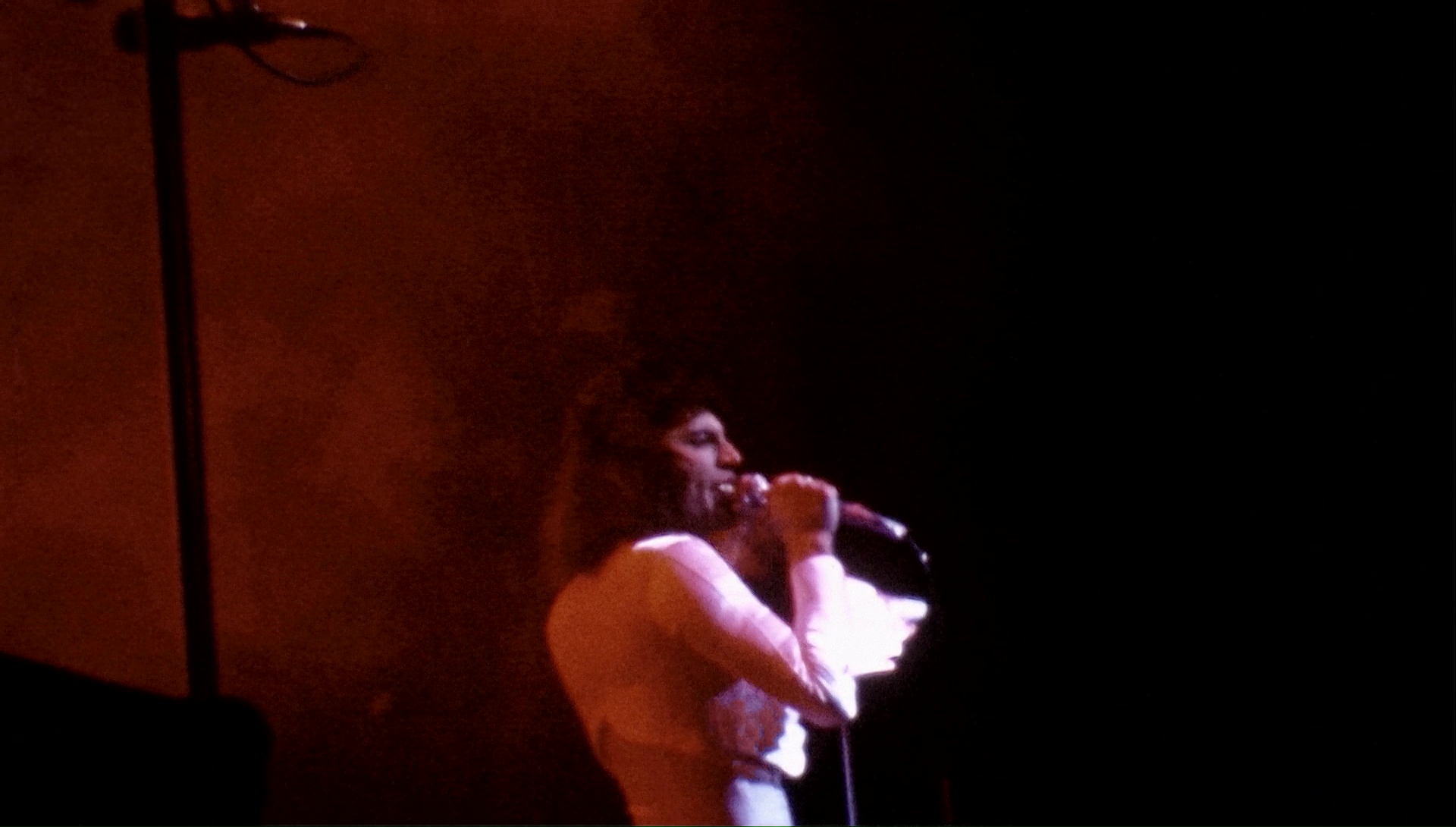
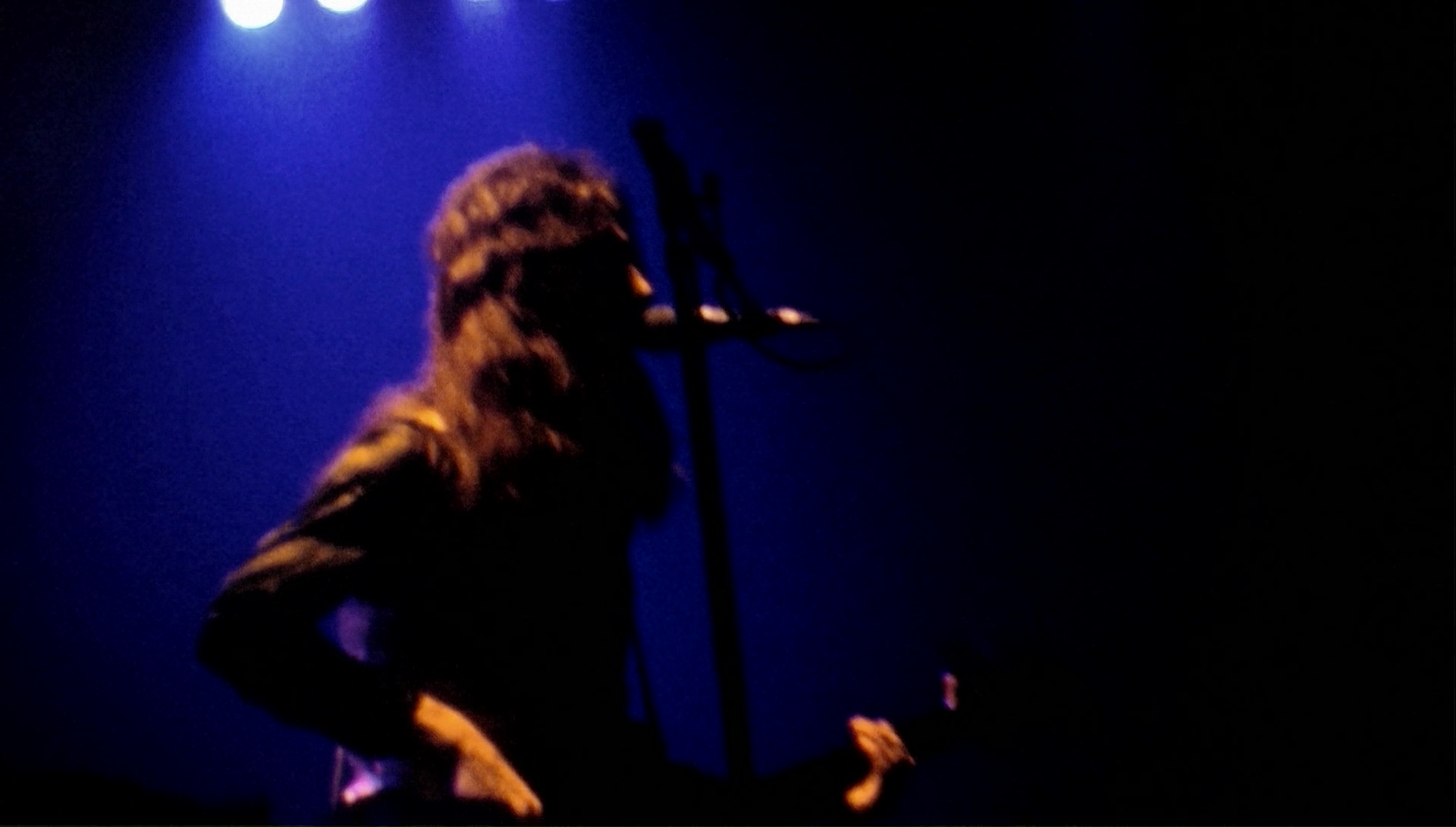
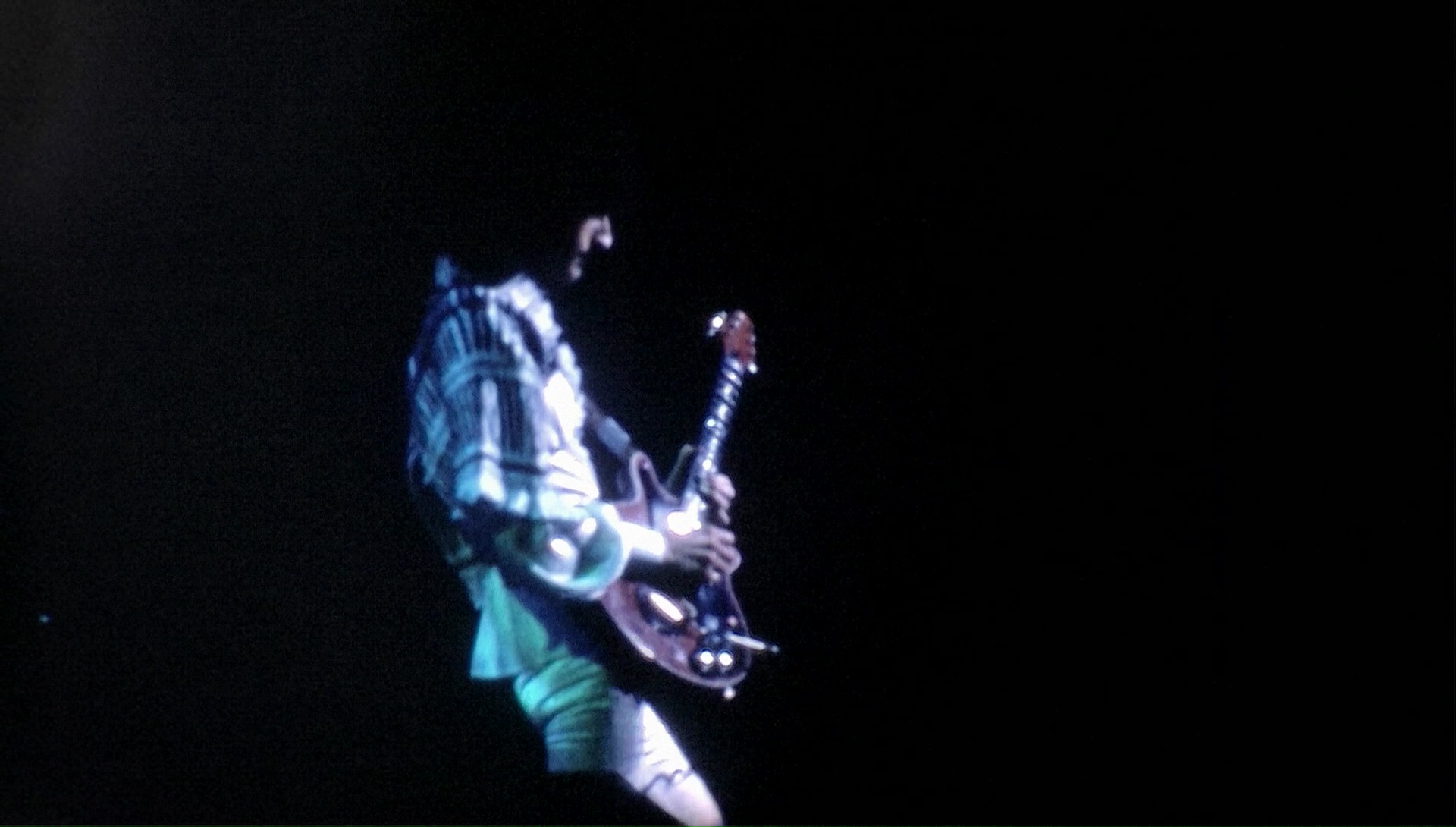
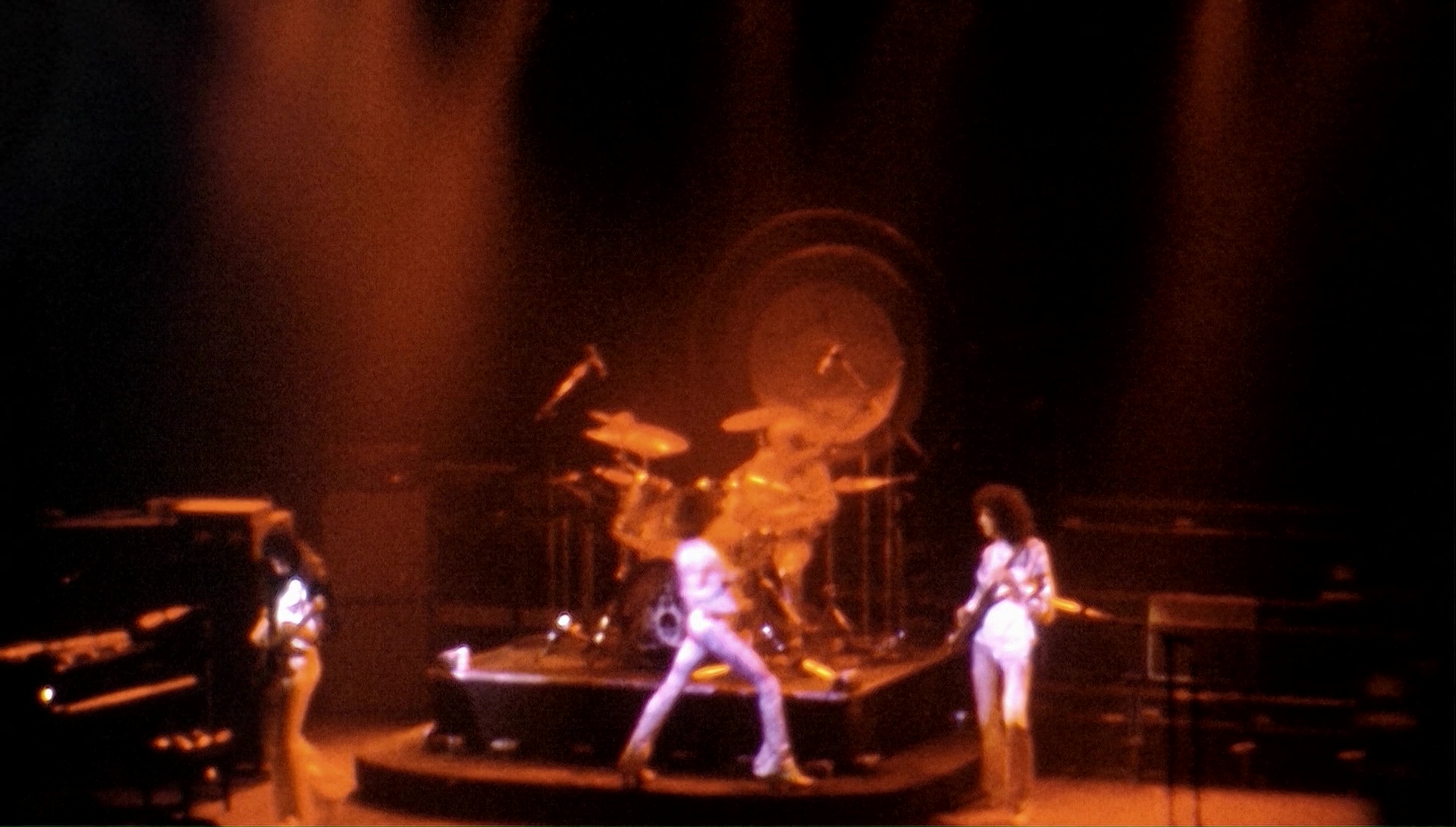
This film appeared on the official Queen YouTube channel in 2017, and days later the filmer let out his uncompressed copy. It is amongst the finest 8mm films of the band ever shot. It's uncertain which of the four nights it's from, but it's unlikely to be from the second night, as the video doesn't match the audio in a couple key spots. |
|
Previous Concert
Next Concert
Back to 1976 Concerts
Home